

Non-owner car insurance gives you liability coverage when you drive a vehicle you don’t own. It can help with borrowed cars, rentals, and an Illinois SR-22 requirement, but it usually won’t pay to repair the vehicle you’re driving. We explain how the policy works, where its limits are, and how Illinois Drivers Insurance can help you review available options.
What Is Non Owner Car Insurance?
Non-owner car insurance is a policy for a driver who doesn’t own a car. The policy follows you as the driver, subject to its terms, rather than covering one named vehicle.
Say you don’t own a vehicle but sometimes borrow a family member’s car. Or perhaps you rent a car several times a year. A non-owner policy may provide liability coverage for injuries or property damage you cause while using a vehicle with permission.
The vehicle owner’s policy usually comes first when you cause a crash in that vehicle. Your non-owner policy may provide secondary liability coverage if the owner’s policy doesn’t cover the full loss, subject to both policies’ limits and rules.
That order matters. Non-owner coverage doesn’t replace the owner’s policy. It also doesn’t turn an occasional borrower into the owner of the vehicle for insurance purposes.
What the policy is designed to do
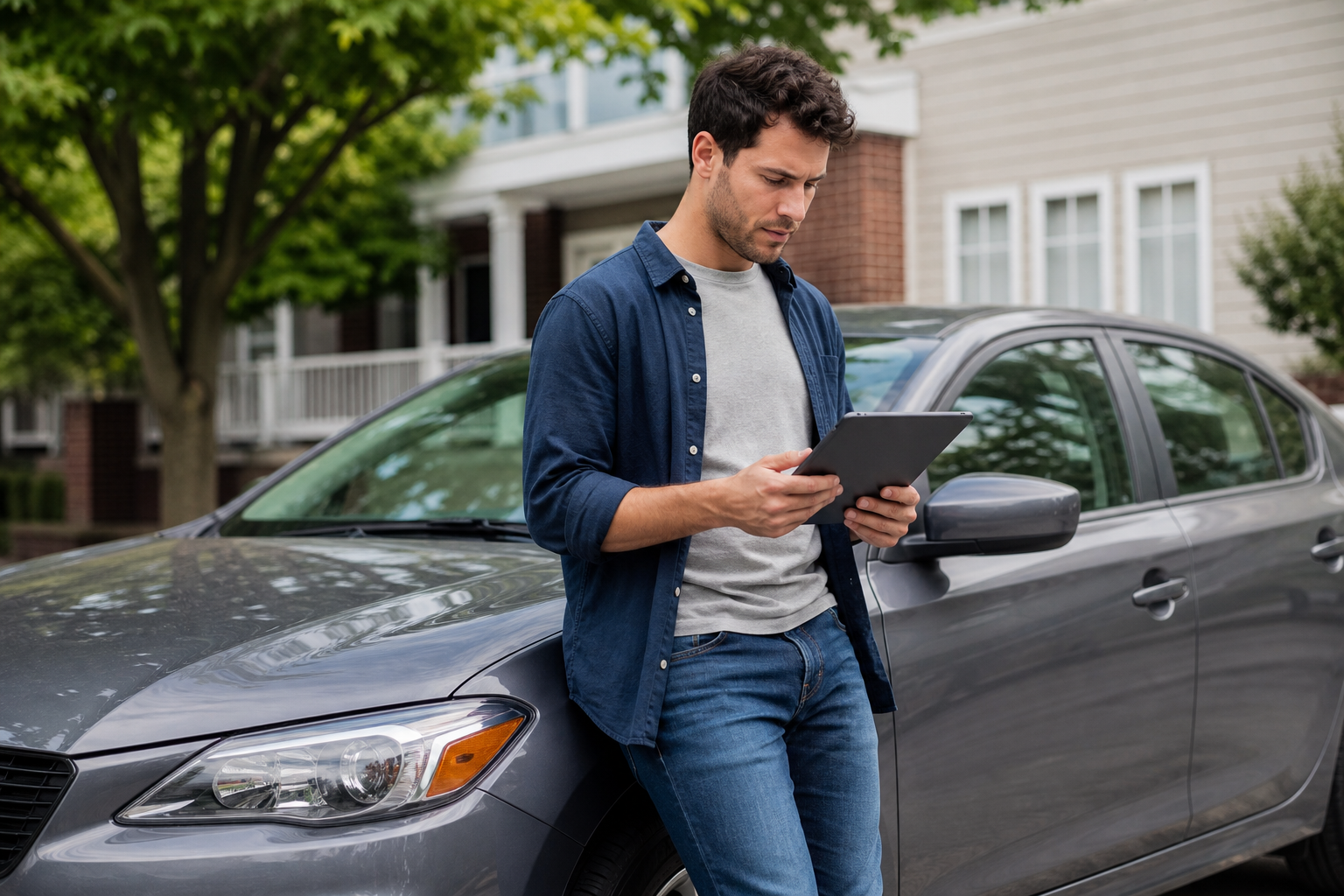
A non-owner policy is mainly built around liability. That means it may pay for covered bodily injury or property damage you cause to another person, up to the selected limits.
Some policies may include uninsured or underinsured motorist coverage. Optional coverage may also be available, depending on the insurance company and the state. These additions are not the same on every policy, so read the coverage summary before you buy.
We also see drivers consider this coverage after a lapse in insurance. Keeping a policy in place may help show continuous insurance history, but it doesn’t erase a ticket, accident, suspension, or prior lapse.
For a related explanation of driver-based coverage, to whether auto insurance covers the car or the driver. The answer depends on the policy language and the facts of the loss.
How Non Owner Car Insurance Works When You Borrow a Vehicle
How does non owner car insurance work after a crash? First, the vehicle owner’s insurance is usually reviewed. Then your policy may respond as secondary liability coverage if the owner’s limits are used up or the owner’s policy doesn’t apply.
Permission matters. A non-owner policy generally applies only when you have permission to use the borrowed vehicle. It may not apply if you take a car without consent, use a vehicle owned by someone in your household, or break a policy rule.
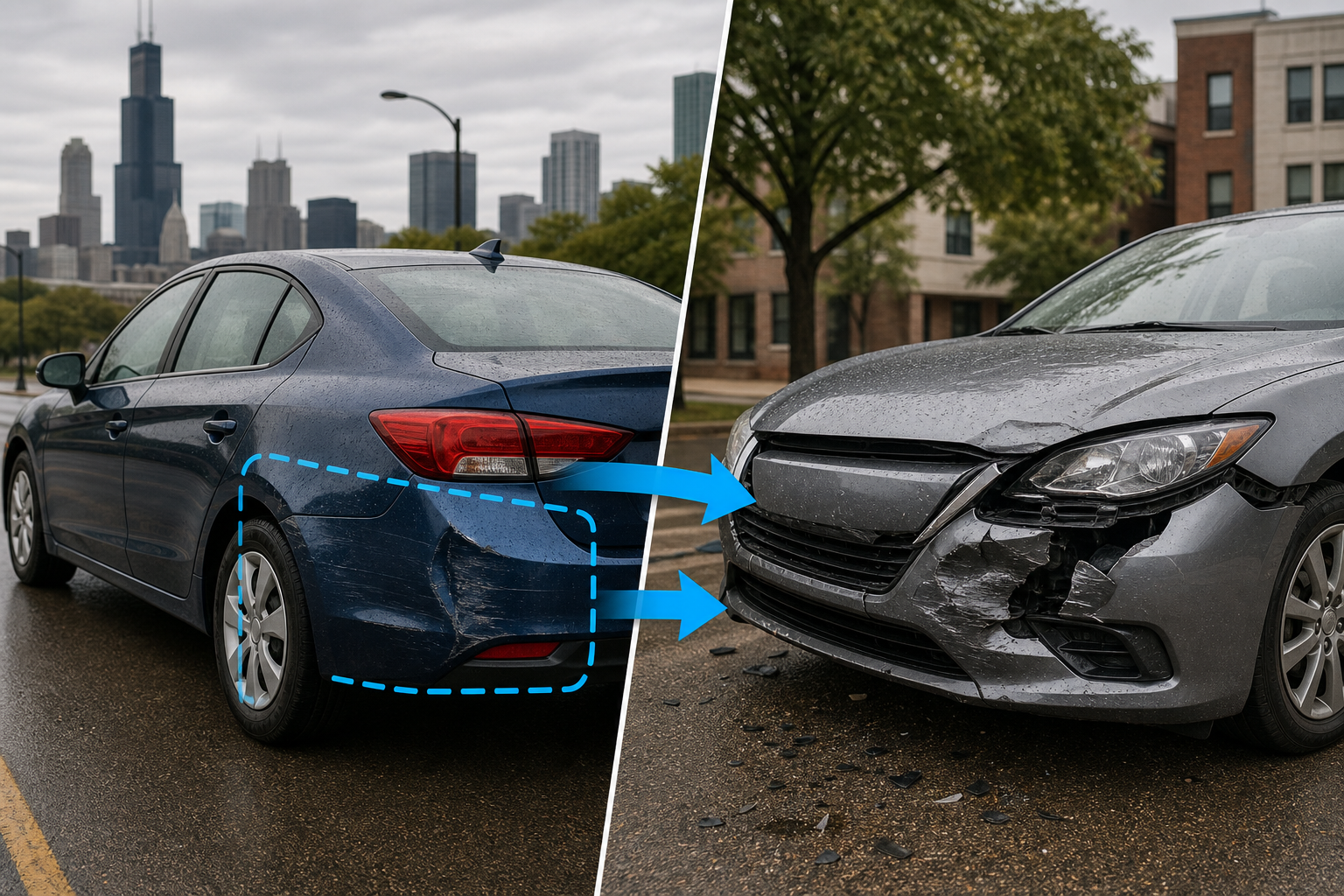
Consider this example. You borrow a friend’s car for one afternoon and cause damage to another vehicle. The friend’s policy may respond first. If covered damages exceed that policy’s limit, your non-owner liability coverage may help with the remaining covered amount, up to your own limit.
The policy still won’t normally pay for repairs to your friend’s car. Your friend may need collision coverage for that damage. If the car is rented, the rental agreement may include terms addressing damage to the rental vehicle.
Non-owner insurance also differs from other protection available under a rental agreement. The rental agreement may address damage to the rented car, while non-owner liability coverage focuses on harm you cause to others. One product may not replace the other.
Before borrowing a car often, ask the owner if you are listed on the policy. If you regularly use a household vehicle, a non-owner policy may not be the correct form of coverage. Illinois Drivers Insurance can help you compare the facts of your driving situation with available policy types.
What Non Owner Insurance Covers, and What It Does Not
Non-owner insurance usually covers your liability for injuries or property damage you cause while driving a vehicle you don’t own. It generally doesn’t cover the vehicle you’re driving or your own injuries unless the policy includes a separate applicable coverage.
Common covered losses
Liability coverage may pay for another person’s medical costs after an accident for which you are responsible. It may also help pay for repairs to another vehicle, a fence, or other property you damage. The policy limit controls how much the insurer may pay.
Some policies may include uninsured or underinsured motorist coverage. This can apply when another driver causes a crash but has no insurance or not enough insurance, subject to the policy’s terms.
Some policies may offer optional coverage for certain medical costs. Ask whether it is available before you select limits.
Common exclusions
- Damage to the car you are driving.
- Your own injuries unless an applicable optional coverage applies.
- Personal belongings inside the vehicle.
- Intentional damage.
- Some business, delivery, or rideshare use.
- A vehicle you own or regularly use in a way the policy excludes.
These exclusions explain why non-owner coverage is often narrower than coverage for a vehicle you own. It may cost less than insuring a vehicle with collision and complete coverage, but the price still depends on your location, driving history, selected limits, and insurer rules.
Don’t judge two quotes by price alone. Check the liability limits first. Then ask about uninsured motorist coverage, optional injury-related coverage, exclusions, and the rules for borrowed household vehicles.
Our explanation of who needs non-owner car insurance can help you compare occasional borrowing with regular use. The right answer may change if you buy a vehicle, move into a household with a car, or start using a vehicle for work.
Non Owner Car Insurance and SR-22 Requirements in Illinois
In Illinois, an SR-22 is generally a financial-responsibility filing connected to an insurance policy. It isn’t a separate insurance policy. An insurance company files the certificate when the state or another authority requires proof of coverage.
You may need an SR-22 even if you don’t own a car. A non-owner policy can connect the filing to your driver status while providing the liability coverage required by the policy and state rules.
The reason for an SR-22 varies. It may follow a serious violation, driving without required insurance, or a license suspension. The Illinois Secretary of State controls driving privileges, while the insurance company handles the filing tied to your policy.
Illinois minimum liability limits are commonly stated as $25,000 per person and $50,000 per accident for bodily injury, plus a property-damage limit. Confirm current requirements and your personal filing instructions before choosing limits.
A lapse can create a serious problem during an SR-22 period. If the policy ends and the insurer reports a cancellation or lapse, the state may take action under its rules. Don’t cancel a policy until you know the filing requirement has ended and you have confirmed the next step.
We explain the filing itself in our guide to what SR-22 insurance means and how it works. Illinois Drivers Insurance can also review non-owner SR-22 options for Illinois residents who don’t have a vehicle.
Questions to ask before buying
- Does the policy support an Illinois non-owner SR-22 filing?
- What liability limits will appear on the filing?
- Does the policy exclude household vehicles?
- Will the policy apply to rented vehicles under its terms?
- What must happen before the filing is submitted?
An SR-22 does not automatically reinstate a license. Check your reinstatement notice for every required item, since insurance may be only one part of the process.
Who May Need Non Owner Car Insurance?
Non-owner car insurance may suit an Illinois driver who doesn’t own a vehicle but still drives often enough to need personal liability coverage. It can also help a driver who must maintain an SR-22 without having a car to insure.
Common situations include:
- You rent vehicles regularly for personal travel.
- You borrow cars from friends or relatives outside your household.
- You need an SR-22 before buying a vehicle.
- You want continuous coverage while you are between vehicles.
- You use car-sharing services and need to review coverage beyond the service’s basic policy.
It may not fit if you own a car, regularly drive a household vehicle, or need coverage for damage to a vehicle. In those cases, another policy type or driver arrangement may be more suitable.
Rates vary, and pricing depends on your situation. Rates are available on request, so a personal quote matters more than a broad online average.
Quote access can differ. Some insurers require a phone conversation, while Illinois Drivers Insurance provides an online-or-phone route for reviewing available options. Availability still depends on underwriting and the facts in your application.
Give accurate details about your address, driving history, vehicle access, and intended use. We can then review whether non-owner coverage, non-owner SR-22 coverage, or another policy type fits the situation.
FAQ: How Does Non Owner Car Insurance Work?
Does non-owner insurance cover a borrowed car?
Non-owner insurance usually covers your liability when you drive a borrowed car, not damage to that car. The owner’s policy may respond first after a covered accident. Your policy may provide secondary liability coverage if the owner’s limits are not enough, subject to permission, exclusions, and both policies’ terms.
Can I get non-owner insurance without a car?
Yes, non-owner insurance is designed for drivers who don’t own a vehicle. It may provide liability coverage while you occasionally borrow or rent a car. The insurer will still review eligibility, your address, driving history, vehicle access, and intended use before offering a policy.
Can non-owner insurance include an SR-22?
Yes, some insurers can connect an Illinois SR-22 filing to a non-owner policy. The SR-22 is a financial-responsibility certificate tied to the policy, not separate insurance. Ask whether the insurer supports the filing and confirm that the limits match your state notice.
Does non-owner insurance cover rental cars?
Non-owner insurance may provide liability coverage while you drive a rental car with permission. It usually doesn’t cover damage to the rental vehicle itself. Review the rental agreement and ask about its terms before declining additional coverage.
Is non-owner insurance cheaper than regular insurance?
It may cost less because it generally doesn’t insure a specific vehicle for collision or complete losses. The price still depends on your driving record, location, limits, insurer, and SR-22 status. Quotes can vary widely, so compare matching limits and exclusions rather than premium alone.
Conclusion
Non-owner car insurance can give an Illinois driver liability coverage without owning a vehicle, and it may support an SR-22 filing when the insurer permits it. Review the limits and exclusions before buying. If you need help comparing your situation, read our Illinois SR-22 insurance options or request an available quote through Illinois Drivers Insurance.
