

Auto insurance in Peoria, IL comes in several forms, and the right one depends on your vehicle, driving record, and filing needs. Illinois Drivers Insurance helps local drivers compare available coverage, including standard policies, SR-22 filings, and non-owner insurance. Here are six options and the situations each one may suit.
1. Illinois Drivers Insurance
Illinois Drivers Insurance is an Illinois agency that helps Peoria drivers compare and buy car insurance. We work with drivers who need standard coverage as well as people dealing with a ticket, accident, lapse, suspension, or SR-22 requirement.
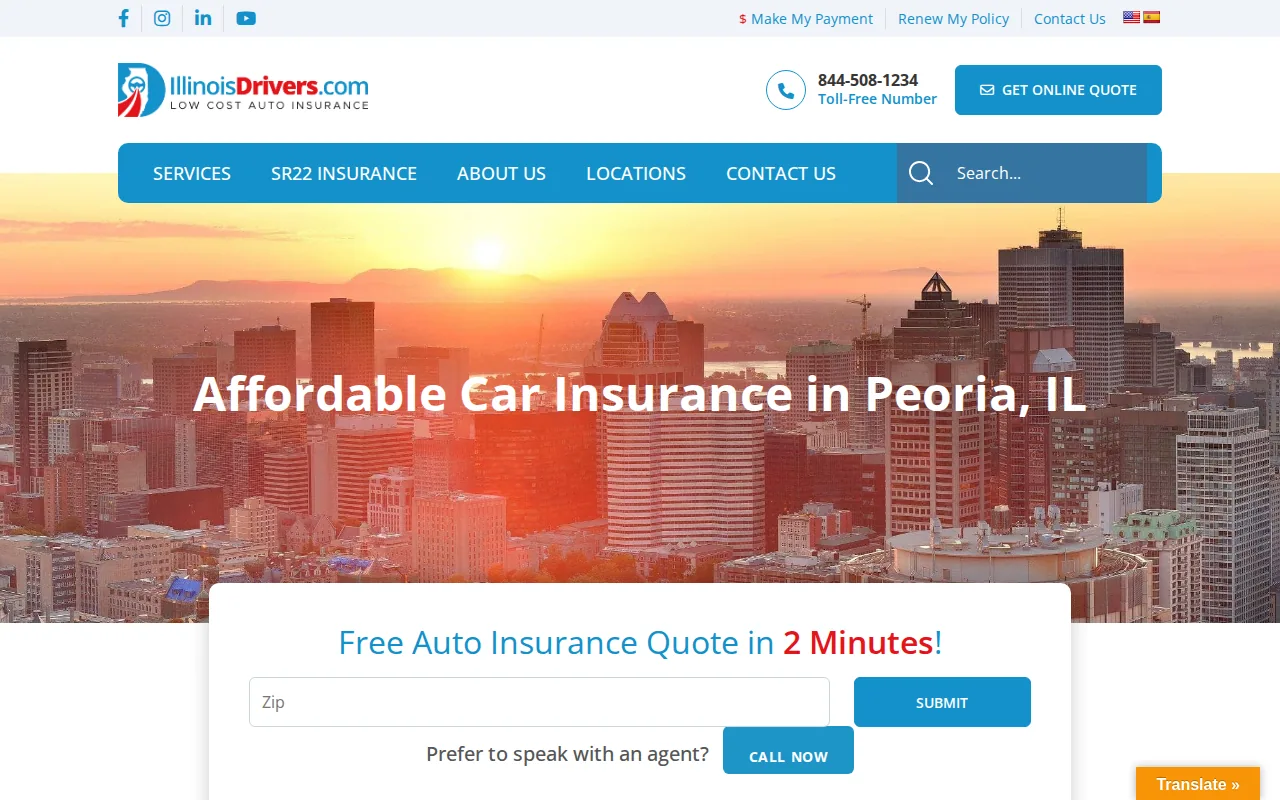
This option fits drivers who want help comparing available policies instead of reviewing one insurer’s offer in isolation. We can discuss liability coverage, broader vehicle protection, non-owner insurance, motorcycle coverage, commercial auto insurance, and teen driver policies when available.
SR-22 support is a key reason many Peoria residents contact us. An SR-22 is generally a financial-responsibility filing tied to an insurance policy. It is not a separate type of insurance. The insurance company submits the filing when the state or another authority requires proof of coverage.
We also explain the difference between the legal minimum and higher limits. That matters because a quote with a lower premium may also have lower limits, fewer optional coverages, or a higher deductible. Rates depend on your address, vehicle, driving history, selected coverage, and the insurance company.
Our quote process may be completed online or with agency help. Policy documents and insurance identification cards may be available after a policy is issued and the required information is received. Availability depends on the policy and company involved.
For local details, including standard policies, SR-22 filings, and specialty coverage, see our page about car insurance in Peoria, IL. We recommend starting with accurate information about your vehicle and driving history. That gives the quote a better chance of matching your actual situation.
2. Minimum Liability Coverage
A minimum-limit policy is one option to compare when keeping the premium affordable is a priority. No insurance company is the cheapest choice for every Peoria driver; compare quotes using the same coverage limits and driver information.
Illinois liability limits are commonly written as 25/50/20. The first number is the bodily injury limit per person. The second is the bodily injury limit per accident. The third is the property damage limit.
These limits pay for covered injuries or property damage you cause to another person, subject to the policy terms and limits. They don’t pay to repair your own car after a collision. They also don’t automatically cover your own medical bills.
Illinois also requires uninsured motorist bodily injury coverage of at least $25,000 per person and $50,000 per accident. Higher uninsured motorist limits trigger underinsured motorist coverage requirements. See the Illinois auto insurance requirements and coverage guide.
Minimum coverage can leave a large gap after a serious crash. A damaged vehicle may cost more than the property damage limit to repair or replace. Medical treatment can also exceed the bodily injury limit, leaving other legal and financial issues outside the policy.
Ask about protection that may apply when another driver has no insurance or has limits that are too low for a covered loss. Availability, limits, and terms vary.
Choose this category only after reviewing what it leaves out. A low-limit policy may meet a legal requirement without giving your own vehicle repair protection.
3. Liability, Collision and Comprehensive
When drivers ask for full coverage, they usually mean liability insurance together with collision and comprehensive. Full coverage is not a standardized policy and does not cover every possible loss. Compare the actual limits, deductibles, exclusions, and required uninsured motorist coverage shown in each quote.
Liability coverage addresses covered injuries or property damage you cause to others. Collision coverage may help pay for damage to your car after a crash with another vehicle or object. Comprehensive coverage may apply to covered events such as theft, vandalism, weather damage, falling objects, or an animal strike.
Your deductible matters. A deductible is the amount you pay toward a covered loss before the insurer pays the remaining covered amount, subject to the policy. A higher deductible may change the premium, but it also leaves you with a larger bill after a claim.
Drivers often consider this option for a newer vehicle, a vehicle with meaningful value, or a car they rely on each day. A lender or lease contract may also require collision and comprehensive coverage. Those requirements come from the contract.
Full coverage costs more than liability-only coverage in many cases because it adds protection for your own vehicle. The actual rate still depends on the car, driver, location, claims history, selected limits, deductibles, and company underwriting rules.
Review exclusions before you buy. Mechanical breakdown, normal wear, business use, delivery work, and rideshare use may need separate treatment or may be excluded under a policy. Ask what the policy does before assuming the label says enough.
Drivers comparing broader protection can use the auto insurance coverage page for Peoria and nearby Illinois locations to review available quote options. Compare the selected limits and deductibles using this resource, but the policy contract controls the final coverage.
4. Coverage for Good Drivers
Good drivers can compare policies through Illinois Drivers Insurance as well as drivers with tickets or accidents. A clean driving record may help with pricing, but the insurer also considers the vehicle, household, location, coverage selections, and other permitted rating factors.
Ask which discounts apply to your quote. Depending on the insurer, options may include good-driver, multi-car, good-student, anti-theft, or payment-plan discounts. Eligibility and savings vary, so compare the total policy premium rather than a discount percentage alone.
Review liability limits and any protection you need for your own vehicle. A low price is useful only if you understand the coverage, deductibles, and exclusions. Ask about optional medical payments, rental reimbursement, or roadside assistance when those benefits matter to you.
Use our online car insurance comparison to request available insurance-company quotes using your own driver and vehicle information.
5. Non-Owner Auto Insurance
Non-owner auto insurance in Peoria is designed for a driver who doesn’t own a vehicle but needs liability coverage for limited use of vehicles they may borrow or rent. It may also support an SR-22 filing when the driver has no car.
This policy generally does not insure a vehicle you own. It also doesn’t replace the vehicle owner’s policy. If you borrow a family member’s car, the owner’s policy may respond first, subject to its terms. Your non-owner policy may provide other coverage only as the contract allows.
Non-owner coverage can fit someone who sold a car but still needs insurance history, someone who uses borrowed vehicles from time to time, or someone working through a license-related requirement. It may not fit a household with a vehicle registered in the driver’s name.
Tell the agency how often you drive and whose vehicles you use. Regular access to a household vehicle can affect eligibility and policy treatment. Rental use may also depend on the policy and rental company’s rules.
Limits and optional coverage vary by insurance company. A non-owner policy usually focuses on liability. It generally doesn’t include collision coverage for the borrowed vehicle because the policy isn’t written around a vehicle you own.
Drivers who later buy a car may need to change to an owner policy. Don’t keep a non-owner policy in place without telling the agency about the purchase. Ownership changes the policy question.
Ask about non-owner SR-22 coverage if the state requires a filing and you don’t own a vehicle. We can review the facts and explain which information the quote requires.
6. Driver-Specific Auto Insurance Options
Driver-specific auto insurance options in Peoria match the policy review to the situation in front of you. Your age, vehicle, driving history, household, and use of the car can all affect the quote.
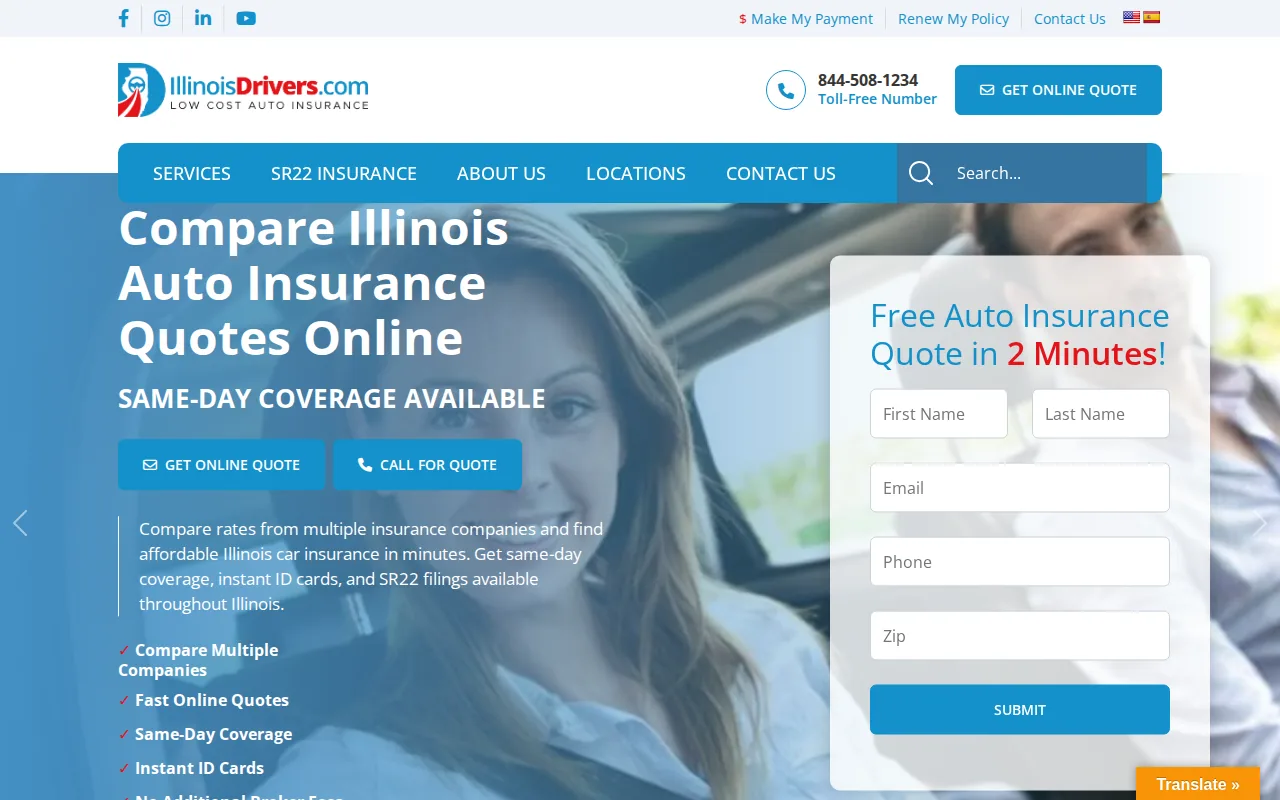
We use the following decision view to help frame the first conversation. It doesn’t predict your premium or promise eligibility.
| Driver situation | Policy area to review | Questions to ask |
|---|---|---|
| Clean driving record | Liability limits, optional protection, available discounts | Does the quote reflect all eligible driver and vehicle information? |
| Teen or first-time driver | Household drivers, good-student discount, vehicle assignment | How does adding the driver affect the policy? |
| Ticket or accident | Driving-record details and underwriting | How is the event shown on the quote? |
| Coverage lapse | Prior insurance history and effective date | What documents does the company need? |
| Suspended license or SR-22 need | Filing type, policy limits, continuous coverage | What does the official notice require? |
| No vehicle | Coverage for a driver without a vehicle and possible filing | Does regular access to another car change eligibility? |
| Several vehicles | Multi-vehicle rating and shared household drivers | Are all vehicles and drivers listed correctly? |
Discount information is often incomplete until you ask. Possible discounts can include good-student status, safe driving, multiple vehicles, or other factors set by the insurance company. A discount isn’t available on every policy, and the amount can vary.
Vehicle use deserves close attention. Commuting, personal use, business use, delivery work, and rideshare driving may receive different treatment. Give the insurer the true use of the vehicle so the quote reflects the risk.
Drivers with a ticket or accident can review Illinois SR-22 filing information if a filing is required before requesting coverage. The useful question isn’t only what the premium is. Ask what limits, deductibles, exclusions, and filing services are included.
For a quote, gather your driver’s license details, vehicle information, current policy details, household driver information, and any official SR-22 notice. Complete answers help the agency compare available options without relying on estimates.
FAQ: Auto Insurance Peoria IL
What auto insurance is required in Peoria, IL?
Illinois requires liability limits of at least $25,000 per person and $50,000 per accident for bodily injury, plus $20,000 for property damage. Uninsured motorist bodily injury coverage is also required at minimum limits of $25,000 per person and $50,000 per accident.
Is broader coverage required in Peoria?
A lender or lease contract may require collision and comprehensive coverage. The phrase usually describes several coverages together. Ask which protections, limits, deductibles, and exclusions appear on the actual quote.
Can I get an SR-22 without owning a car in Peoria?
Yes, a non-owner policy may support an SR-22 filing for a driver without a vehicle, subject to company rules. It generally doesn’t cover a vehicle you own or replace the owner’s policy. The official state notice should guide the filing and coverage discussion.
How much does auto insurance cost in Peoria, IL?
There is no single rate for every Peoria driver. Premiums depend on the vehicle, address, age, driving history, prior insurance, selected limits, deductible, and insurance company. A quote based on your actual information is more useful than a citywide estimate.
Can Illinois Drivers Insurance help after a ticket or lapse?
Illinois Drivers Insurance can discuss available coverage for drivers with tickets, accidents, lapses, suspensions, or SR-22 needs. Eligibility and pricing still depend on insurance company underwriting. Provide complete information so the quote reflects your record and current situation.
Conclusion
For many Peoria drivers, Illinois Drivers Insurance is a useful starting point because one agency can discuss standard coverage, SR-22 filings, and non-owner policies. Gather your vehicle and driving details, then request a comparison that shows the limits, deductibles, and filing needs before selecting a policy.
