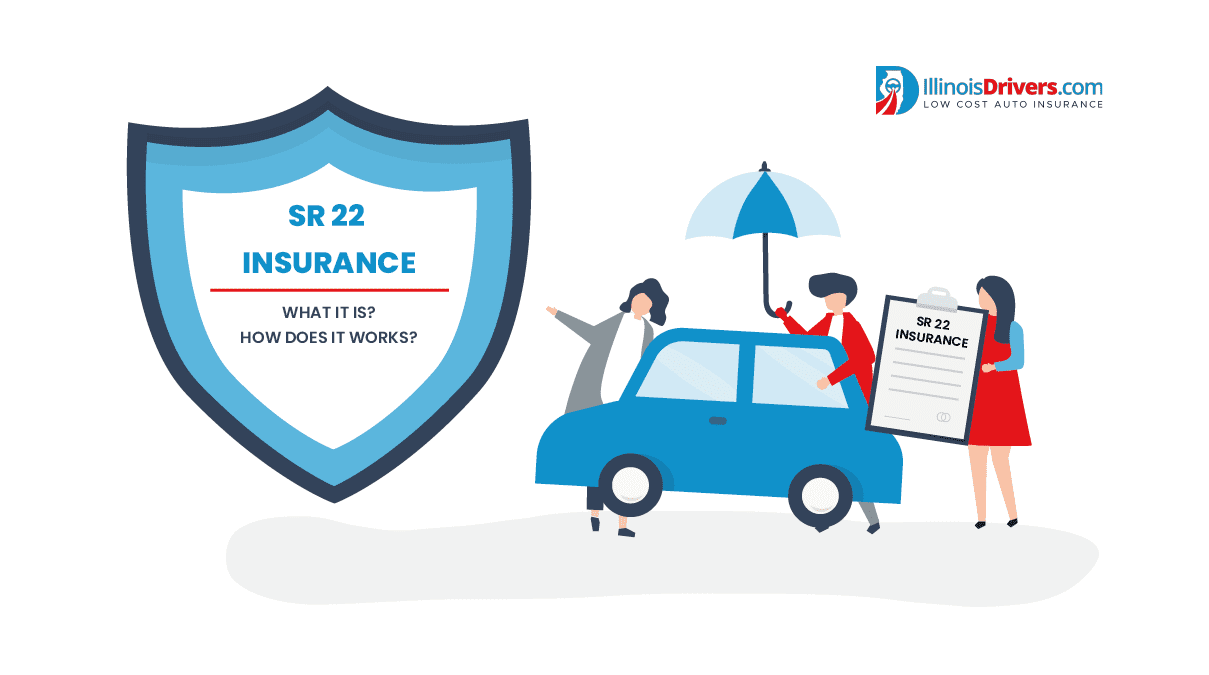

You’ve probably heard of SR-22 insurance, but what is it and how does it work? This type of auto insurance is typically required for drivers who have been convicted of a DUI or other serious traffic offenses. In such events, if you are caught driving without SR-22 insurance, you could face serious penalties such as license suspension or revocation. However, if you need SR-22 insurance, there are a few things you should know about how it works. Read on for more information about this type of auto insurance and how it can impact your driving privileges.
You will be notified by your state DMV if you are required to obtain an SR-22 due to a driving-related offense.
SR-22 is a type of auto insurance that guarantees the safety of other drivers on the road. It is also known as high-risk insurance because it covers those considered high-risk drivers. A person is typically required to file an SR-22 for driving violations such as DUIs, reckless driving, driving uninsured, or license suspensions. Intoxicated driving, such as DUI or DWI, is a common reason for needing an SR-22. An SR-22 is typically ordered by a court or mandated by the state, and drivers will be notified by the DMV or during a court hearing. This includes people with multiple accidents or traffic violations, DUI/DWI convictions, or drivers involved in hit-and-run accidents.
SR-22 insurance typically costs more than regular car insurance, and the premiums are usually paid in advance. Drivers who are required to have SR-22 insurance must maintain it for a minimum time, which is generally 2 to 3 years depending on the offense, and most states require about three years. Canceling an SR-22 policy before the required period can have consequences such as license suspension, so you must not cancel your policy until the state officially ends the requirement. Once the SR-22 requirement ends, you must notify your insurance company to remove the filing. Insurance premiums are likely to increase after obtaining an SR-22 due to its association with high-risk driving, but may decrease once the requirement ends and the violation is no longer on your record. If the driver cancels their policy or lets it lapse, the insurer will notify the state, which may result in the suspension of the driver’s license.
Introduction to SR-22
An SR-22 is a certificate of financial responsibility that some states or courts require after certain driving offenses, such as a DUI or driving without insurance. This certification is not a type of insurance itself, but rather a document that your insurance company files with the Department of Motor Vehicles (DMV) to prove you have the minimum liability coverage required by law. The SR-22 serves as official proof that you are in compliance with your state’s insurance requirements following a driving offense. Typically, you’ll need to maintain this certification for about three years, though the exact duration can vary depending on the severity of the violation and your state’s regulations. The SR-22 ensures that you continue to carry the necessary liability coverage and helps you regain or keep your driving privileges after a court order or DMV mandate.
Who Needs an SR-22 Insurance for Driving Violations?
An SR-22 is a certificate of financial responsibility required by the state or court order for certain driving violations. It is typically ordered by a court or state when a person has been convicted of serious driving violations such as DUI/DWI, reckless driving, driving uninsured, or license suspensions. For example, a person who was found driving while intoxicated or caused an accident while uninsured may be required to file an SR-22 to reinstate or maintain their driver’s license. The SR-22 policy is meant to protect other drivers on the road by ensuring that a high-risk person has adequate coverage.
SR-22 and FR-44
While both the SR-22 and FR-44 are certificates of financial responsibility, there are important differences between them. The SR-22 is commonly required in most states for drivers who need to prove they have the minimum liability coverage after certain violations. In contrast, the FR-44 is only required in Virginia and Florida, and it mandates much higher liability coverage limits than the SR-22. The FR-44 is typically reserved for more serious offenses, such as repeat DUIs or cases involving higher blood alcohol levels. Both forms are designed to ensure that high-risk drivers maintain the required insurance coverage, but the FR-44 reflects the need for greater financial protection due to the severity of the offenses involved.
How does SR-22 Insurance Work?
When you are notified that you need SR-22 insurance, you should begin the process by contacting your insurance provider to start the necessary procedures. An SR-22 is a certificate of insurance that proves you have the minimum amount of liability insurance required by your state. The SR-22 insurance designation means that the insurer will file a certificate with the state on behalf of the policyholder indicating that they are meeting their financial responsibility requirements. Your insurance company will file the SR-22 form electronically or by mail with the state’s Department of Motor Vehicles (DMV), and you will need to provide your driver’s license number or other identification number for the filing. In most cases, SR-22 insurance is required for three years, although it may be required for longer, depending on the severity of the offense or the specific date of your conviction, accident, or license suspension.
If you are required to get an SR-22, your insurance company will notify you and let you know what steps to take. The SR-22 form is included as part of your auto insurance policy documentation, but certain fees or requirements may not be included in the initial rate or quotes. You generally must maintain the SR-22 for a set period, often three years, but it can range from two to five years depending on the state or the offense. It is important not to cancel your SR-22 policy before the required period is over, as canceling prematurely can result in penalties or license suspension. It is also important to ensure you keep up with your payments and keep your policy active, as negligence could result in your license being suspended. SR-22 insurance is typically more expensive than standard car insurance, so it is important to shop around and compare rates from different insurers to ensure you get the best policy at the cheapest price.
Costs Associated with SR-22
When you need an SR-22, there are two main costs to consider. First, there is a one-time SR-22 filing fee, which is usually between $15 and $50. However, the more significant expense comes from the surcharge added to your auto insurance policy. Because SR-22 filings are required after certain violations, insurance companies often view you as a higher risk, resulting in increased insurance premiums. The amount of this surcharge depends on the type of violation, your insurance company, and the state where you live. It’s important to note that while the SR-22 filing fee is a single payment, the surcharge is an ongoing cost that will affect your insurance payments for as long as the SR-22 is required.
How to get SR-22 Insurance?
If you need SR-22 insurance, there are a few things you need to do. You can work with an insurance agent to help guide you through the process and buy the necessary policy. You may be able to buy SR-22 insurance online or through an agent for convenience. First, you will need to contact your insurance company and request that they file an SR-22 on your behalf. There is usually a small fee associated with this service. Your insurance company will file the SR-22 form electronically or by mail with the state’s DMV, and you will need to provide your driver’s license number or other identification number to complete the filing. The insurance company will provide you with the necessary paperwork.
The SR-22 form is included as part of your auto insurance policy documentation. After that, you must file the paperwork with your state’s DMV if required. Once the SR-22 has been filed, you will be required to maintain your auto insurance coverage for a set period.
Once your SR-22 is no longer required, you must notify your insurance company to have them remove the filing with your local DMV.
Department of Motor Vehicles and SR-22
The Department of Motor Vehicles (DMV) is central to the SR-22 process. After a driving violation that requires an SR-22, your insurance company files the SR-22 form directly with the DMV on your behalf. The DMV then verifies that you have the minimum required liability coverage and keeps this information on file. If your insurance policy is canceled or lapses for any reason, your insurance company is required to notify the DMV immediately. This notification can result in the suspension of your license until you provide proof of new coverage. The DMV also offers guidance on the documentation and fees needed to maintain compliance, helping you understand what is required to keep your driving privileges intact.
What does SR-22 Insurance Cover: Minimum Liability Coverage Required?
SR-22 auto insurance covers the costs of damages that a driver may cause to others in an accident and any costs that the driver may incur if they are found at fault for an accident. The SR-22 form is a document verifying that the driver carries at least the state minimum liability insurance required by Illinois law. In some cases, the coverage included in an SR-22 policy may exceed the state minimum requirements, depending on the insurer and the driver’s needs. It is known as financial responsibility insurance because it safeguards the driver’s potential liability to others in the event of an accident. The coverage provided by SR-22 insurance can vary depending on the insurer, but it typically includes liability coverage for bodily injury and property damage and uninsured/underinsured motorist coverage.
Do I Still Need To Get SR-22 Insurance If I Don’t Own A Car?
If you have been convicted of a DUI or other serious traffic offense, you may be required to obtain an SR-22 insurance policy, even if you do not own a car. In this case, you will need to purchase a non-owner SR-22 insurance policy. Non-owner SR-22 insurance provides liability coverage for individuals who do not own a vehicle but are required to file an SR-22. These non-owner policies are suitable for people who frequently rent or borrow vehicles, offering coverage when you drive cars you do not own, such as rental cars or vehicles borrowed from friends or family. Additionally, the address where you live or where you frequently borrow vehicles can affect your eligibility and insurance costs for a non-owner SR-22 policy. Non-owner’s liability policies typically have lower limits than standard auto insurance policies, so it is important to ensure that you are adequately covered.
Get Affordable SR-22 Insurance in Illinois
Illinois Drivers Insurance is a great option if you’re looking for cheap SR-22 auto insurance. We offer SR-22 insurance at a competitive price, and we have various coverage options to choose from. Plus, we have a team of experienced professionals who can help you find the right coverage for your needs. We can help you set up bill alert reminders and maintain accurate payment information to prevent your coverage lapse. Why wait? Get in touch with us today for a free quote within no time!
