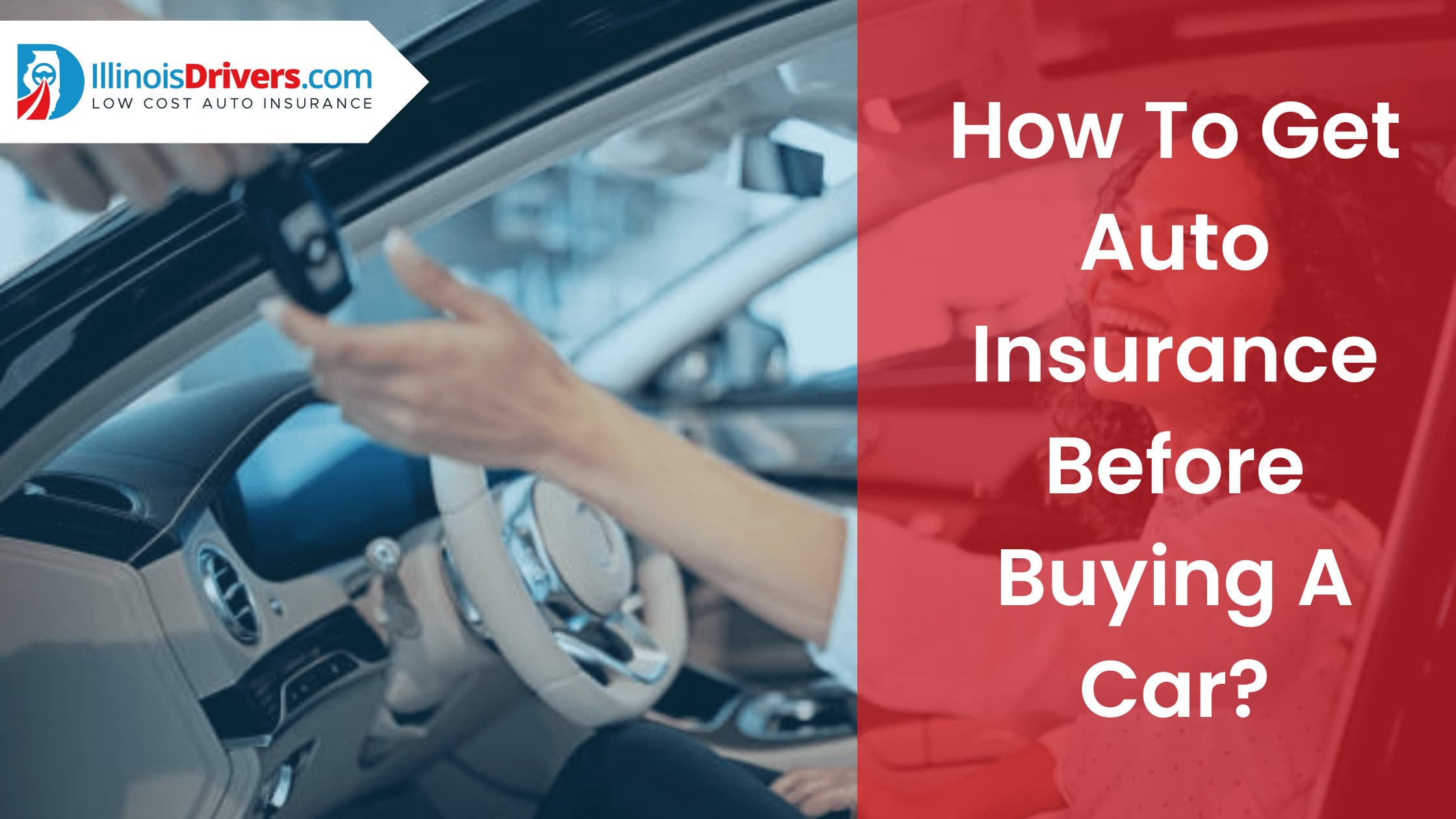

So you’ve decided to buy a new set of wheels – congratulations! Before you head to the dealership though, you need to make sure you’ve got auto insurance lined up. Getting insurance before you buy your car is actually pretty easy and will save you from driving off the lot only to find your new vehicle isn’t insured. Even if you are purchasing your vehicle with cash, you still need to provide proof of insurance before taking possession. Here are the steps to get auto insurance before you buy your ride. If your vehicle is being financed the dealership will not allow you to drive off the lot until you purchase full coverage insurance.
Are you in the market for a new car and wondering if you need auto insurance before buying a car? The answer is yes. In fact, not having auto insurance before buying a car can put you at risk financially and legally. Additionally, the dealer will require proof of insurance before releasing the car to the owner, regardless of whether the car is financed or paid for in cash. Luckily, Illinois Drivers Insurance can provide you with the coverage you need.
Illinois Drivers Insurance can offer you options for coverage before even choosing a new car. As the owner, you are responsible for insuring the vehicle before driving it off the lot. This way, you can make an informed decision about what type of car to buy based on the associated insurance costs. We understand that each customer has unique insurance needs, so our team will work with you to determine the best coverage options for your lifestyle and budget. Be sure to request quotes for the specific VIN before signing any papers to avoid premium shock.
Understanding Car Insurance
Car insurance is essential protection that helps cover the costs of damages or losses to your vehicle, as well as injuries or damages to others if you’re involved in an accident. Provided by a car insurance company, this coverage is required in most states to legally drive a car. When you’re purchasing a new or used car, it’s important to think about the types of car insurance coverage you’ll need to protect yourself, your vehicle, and your finances.
Why Should I Get Auto Insurance Before Buying a Car?
Getting insurance ahead of time simply provides peace of mind and ensures there are no delays or hang-ups once you do find the right set of wheels. Here’s why:
- Having auto insurance is a legal requirement in most states. Most states require proof of insurance as a condition of driving on public roads, including during a test drive. Driving without insurance can result in hefty fines or license suspension. So, if you plan on test driving cars or borrowing a friend’s vehicle, you’ll need to have coverage in place.
- You’ll know exactly how much insurance will cost you each month, so there won’t be any surprises after you buy your new wheels. Before buying a car, you can decide whether to transfer your existing policy, add a new vehicle, or purchase a new policy altogether. This allows you to budget properly and pick a car you can actually afford to insure.
- Pre-approved insurance means you can head to the dealership ready to buy, knowing you’ve already got coverage lined up. No more having to arrange insurance on the spot or worrying you won’t be able to drive your new car off the lot.
- It gives you leverage to potentially negotiate a lower price on your vehicle. Dealers may be willing to cut you a better deal if they know you’re a serious, ready-to-buy customer with financing and insurance already in place.
Insurance Requirements
When buying a new car, understanding insurance requirements is crucial. Most states mandate that drivers carry a minimum amount of liability coverage to legally drive a vehicle. This liability coverage helps protect you financially if you’re responsible for an accident that causes injury or property damage to others.
If you’re financing your new car, your lender will typically require you to have both comprehensive and collision insurance. This protects their investment in the vehicle until you’ve paid off your loan. The specific insurance policy requirements can vary based on factors like your driving record, where you live, and the type of car you’re purchasing.
To make sure you’re meeting all legal and lender requirements, research your state’s minimum coverage limits and talk to a licensed insurance agent. This way, you’ll have the right car insurance policy in place before you drive your new car off the lot.
State Insurance Regulations
Every state has its own rules when it comes to car insurance coverage, and these regulations determine the minimum amount and types of coverage you must carry. For example, some states require drivers to have personal injury protection (PIP) or uninsured/underinsured motorist coverage in addition to basic liability coverage. Others may set higher minimum liability coverage limits to better protect drivers in the event of an accident.
It’s important to familiarize yourself with your state’s specific insurance regulations so you can choose a car insurance policy that keeps you compliant and fully protected. You can find detailed information about your state’s requirements on your state’s insurance department website or by speaking with a licensed insurance agent. Understanding these regulations ensures you have the right insurance coverage in place, whether you’re buying a new or used car.
How to Get Auto Insurance Quotes Without Owning a Vehicle
So you’ve got your eye on a sweet new ride, but you know you need insurance before you can drive it off the lot. No problem, you can get auto insurance quotes even without owning a vehicle yet. Here’s how:
- Select the details of the car you intend to buy. Note the make, model, year, trim level, and optional features so you can provide info for insurance quotes.
- Gather information about the car like the VIN, mileage, safety ratings, and current value. Check vehicle history reports to determine the condition and any past accidents. Insurance companies will want these details.
- Submit the information from Steps 1 and 2 to Illinois Drivers Insurance to get quotes. Illinoisdrivers.com allows you to get quotes on their websites or over the phone using the details of a vehicle you don’t own yet. If you already have an existing policy, you may be able to add your new vehicle online or through your insurer’s app, and some insurers automatically apply coverage changes for new vehicles.
- Compare the quotes and coverage options to find a policy in your budget with the protection you need. Then make your first payment to activate the policy in preparation for buying your new car. Some insurance companies offer a grace period for adding a new vehicle to your existing policy, which can range from a week to 30 days depending on the insurer.
What Information You’ll Need to Provide for a Quote
To get an auto insurance quote before buying a car, you’ll need to provide some basic information to Illinois Drivers Insurance. Insurers offer a variety of coverage options and discounts, so it’s important to compare what each company provides. Providing complete and accurate information upfront will allow Illinois Drivers Insurance to give you competitive quotes so you can find an affordable policy before you head to the dealership.
Personal Information
You’ll need to give your full legal name, address, date of birth, and contact details like phone number and email address. Some companies may also ask for your Social Security number to verify your identity and check your credit score.
Driver’s License Details
The Illinois Drivers Insurance will need to know if you have a valid driver’s license and your driving history. Be prepared to provide your license number, the state it’s issued in, and information on any accidents or traffic violations from the past 3-5 years. A clean driving record will help you get a lower rate.
Vehicle Information
Even though you don’t own a car yet, you’ll still need to provide details on the type of vehicle you intend to buy so the insurance company can give you an accurate quote. Things like the make, model, year, trim level, and optional safety features will all affect your premium. Some vehicles are more likely to be stolen or have higher repair costs, which can affect your insurance premiums. For example, minivans and midsize SUVs typically have the lowest insurance premiums, while electric vehicles and high-tech luxury cars can have premiums nearly double those of standard sedans due to expensive specialized parts and batteries. High-performance sports cars and luxury vehicles are more expensive to insure due to higher repair costs and riskier driving associations. Cars with high safety ratings from the IIHS or NHTSA often qualify for lower insurance rates. Insurance can also help cover the cost of repairs if your vehicle is damaged in a collision, theft, or other incident. If you finance your car, gap insurance can cover the difference between what you owe on your loan and the car’s current value if it’s stolen or totaled. An older car with minimum coverage will cost less to insure than a brand new luxury vehicle. Getting the VIN number of the vehicle is most helpful.
Coverage Options
You’ll need to choose what types of coverage you want, like liability, collision, comprehensive, and uninsured motorist protection. Comprehensive insurance covers damages to your vehicle from events other than accidents, such as theft, vandalism, and weather-related incidents. Collision insurance covers damage to your vehicle caused by an accident in which you were at fault. Gap insurance pays for the difference between your auto loan balance and your car’s actual cash value if it’s totaled or stolen. Personal Injury Protection (PIP) coverage pays for medical expenses related to your injuries if you get involved in an accident. Uninsured and underinsured motorist coverage protects you if you’re hit by a driver who doesn’t have insurance or enough coverage to pay for damages. The more coverage you opt for, the higher your premium will be. But having adequate coverage is important to protect you financially in the event of an accident. If you only carry liability coverage on your current vehicle, the dealer is likely to require you to add collision and comprehensive coverage. You may also need to purchase additional coverage to meet the lender’s requirements if you only have liability insurance. If the vehicle is financed you will be required to carry full coverage auto insurance.
Comparing Auto Insurance Quotes to Find the Best Deal
Comparing multiple auto insurance quotes is the best way to find an affordable policy that meets your needs. Shopping around can help you save money, as different insurers offer a variety of discounts and coverage options that may fit your situation. Here are some tips to help you compare quotes and choose a provider:
- Check your current policy details: Make sure you have information on your current coverage limits, deductibles, and premiums handy before getting new quotes.
- Get quotes from multiple companies: Illinois Drivers Insurance will compare at least 15 different companies to find you the best deal.
- Compare more than just price: While price is important, also consider the company’s customer service, claims process, and financial stability. The cheapest option may end up costing you more in the long run.
- Adjust coverage to your needs: You may be able to lower your premium by increasing deductibles or dropping unnecessary coverage like roadside assistance or rental car reimbursement. But don’t sacrifice important coverage to save a few bucks.
- Ask about discounts: Inquire about ways to lower your rate like bundling with other policies, safe driver discounts, student discounts, anti-theft device discounts or paying in full upfront. Every little bit helps.
Grace Periods for Insurance
A grace period is the window of time your insurance company gives you to update your insurance policy or provide proof of insurance after purchasing a new vehicle. This period typically ranges from 7 to 30 days, depending on your insurance company and state regulations. During the grace period, you can usually drive your new vehicle while you finalize your insurance details, but it’s important not to delay.
To avoid any gaps in coverage or potential penalties, make sure to update your insurance policy or provide proof of insurance as soon as possible after purchasing your new vehicle. If you’re unsure about the length of your grace period or what’s required, contact your insurance company directly for clarification.
Proof of Insurance
Proof of insurance is a document provided by your insurance company that shows you have an active car insurance policy for your vehicle. When purchasing a new vehicle, you’ll typically need to provide proof of insurance to the dealership or lender before you can drive off the lot. This proof often comes in the form of an insurance card or a digital copy of your policy.
To obtain proof of insurance, you’ll need to provide details such as the vehicle identification number (VIN), make, model, and year of your new vehicle. Your insurance company can quickly generate this documentation and send it to you, the dealership, or your lender as needed. In most states, you’re also required to keep proof of insurance in your vehicle at all times, so be sure to store a copy in your glove compartment for easy access. Having proof of insurance not only keeps you compliant with state laws but also gives you peace of mind every time you get behind the wheel.
Secure Your Auto Insurance
Once you’ve decided on the insurance provider and coverage, purchase your policy. For convenience, you can purchase your policy online through our website Illinoisdrivers.com, over the phone, or in person. Pay the initial premium to activate your coverage before driving your new vehicle.
Make copies of your insurance card, policy, and proof of insurance to keep in your vehicle. Also keep records of your coverage details, limits, deductibles, and premium payments in case you need them for any reason. If you ever need to file a claim, having your policy details and proof of insurance handy will make the process smoother.
Once You Buy a Car, Update Your Policy With the Vehicle Details
Once you’ve purchased your new vehicle, it’s important to update your auto insurance policy with the details. If you have an existing policy, your insurer may automatically apply coverage to your new vehicle for a limited time while you update your policy. This means your existing policy will usually cover your new car temporarily, giving you time to complete the process of insuring your new vehicle and updating your policy details promptly. Your premiums may rise or decline depending on the type of car you bought.
Updating your auto insurance policy with details about your new vehicle helps ensure you have the proper coverage in place. Review all options with your insurance agent to find the right policy for your needs and budget. Protecting your investment is worth the time to explore available coverage and make any necessary changes or additions.
Insure First, Drive Later: Secure Auto Insurance with Illinois Drivers Insurance
So there you have it, a few easy steps to get auto insurance before you even have a car to insure. Once you find a policy and company you like, you’ll have peace of mind knowing you’re all set to hit the road as soon as you find the perfect new set of wheels.
Illinois Drivers Insurance website today to find the perfect auto insurance policy that will protect your vehicle and yourself as a driver. We believe that getting auto insurance doesn’t have to be complicated or stressful. With some advance planning and by following these tips, you’ll be riding in no time with complete coverage and confidence. The open road awaits!
