


A higher car insurance bill can come from your own driving record, a policy change, or a rate change that affects many Illinois drivers. Accident-related increases can vary substantially, and safe-driving discounts may reach 30% in some cases. Here are eight reasons your premium may have changed and what to check next.
1. Your Driving Record or Claims History Changed
The first answer to “why did my car insurance go up?” is often a new item on your motor vehicle record or claims history. Insurers review these records to estimate future claim risk. A speeding ticket, at-fault crash, reckless driving charge, or DUI can affect your premium after the insurer receives updated information.
The change may not appear right after the event. An insurer might review your record at renewal or while checking details for a new quote. That delay can make the increase feel random, even though it follows a record update.
A claim can affect your rate even if the repair bill was modest. The insurer looks at the type of loss, who was responsible, and the rules in its underwriting model. A single accident may have a smaller effect with one company and a much larger effect with another.
We suggest reviewing your motor vehicle record if the change seems wrong. Check the date, violation type, license status, and claim details. You can also learn how your driving record affects auto insurance rates before you compare another policy.

A clean driving period may help you qualify for a safe-driver discount, but the rules vary by insurer. Illinois Drivers Insurance states that safe-driving behavior may qualify for savings of up to 30%, subject to the insurer’s rules and eligibility review.
2. Your Policy, Vehicle, or Coverage Changed
Your car insurance may have gone up because the policy itself changed. A new vehicle, added driver, higher liability limit, lower deductible, or added physical damage coverage can raise the premium even when your driving record is unchanged.
Read the renewal declarations page beside the prior one. Look for changes in:
- Liability limits for bodily injury or property damage
- Collision or complete coverage
- Deductible amounts
- Annual mileage or vehicle use
- Listed drivers and household members
- Vehicle identification details, trim, or safety equipment
“Full coverage” is an informal term. It often means liability coverage plus collision and complete coverage, but it is not one single policy type. Collision generally applies to damage from a crash, while complete coverage generally applies to certain non-collision losses. The policy’s exclusions, limits, and deductibles control.
A lower deductible usually means the insurer may pay more after a covered claim, so the premium may rise. A higher deductible may reduce the premium, but you should only select one that you could manage after a loss. We won’t tell every driver to pick the same limit or deductible.
Vehicle changes matter too. A newer car may cost more to repair or replace. A model with expensive parts can also affect the rate. If you bought a car, confirm that the insurer has the correct VIN, trim, mileage, and primary use.
3. Your Personal or Household Information Affected the Rate
Another reason your car insurance went up may be a change in personal or household information. Insurers may rate the address where the vehicle is kept, the drivers in your household, age-related factors, driving experience, and reported vehicle use.
Your garaging address matters because insurers study local claim patterns. Theft risk, weather losses, repair costs, and crash frequency can vary by area. A move within Illinois may change your premium even if your job and vehicle stay the same.
Household drivers can affect the rate as well. Adding a teen driver is one example. A newly licensed driver has less driving history, so teen driver insurance often costs more than coverage for an experienced adult. The effect depends on the insurer, household vehicles, discounts, and policy setup.
Make sure the address reflects where the vehicle is kept most of the time. Report the actual drivers who may use the car. Also tell the insurer how you use the vehicle. Commuting, business use, delivery work, and rideshare use can involve different underwriting rules.
Some insurers use credit-based insurance information where state rules allow it. This is different from the credit score a lender may use. A change in the information used for insurance rating can affect the quote, but the insurer should explain its process and available review rights.
Illinois Drivers Insurance can help you compare available car insurance options when a household change makes the renewal harder to understand. We can review the facts you provide and explain how coverage choices, driver details, and insurer rules may affect the quote. Rates still depend on underwriting and the information in the application.
4. Insurance Costs Increased Across the Market
Sometimes your car insurance went up even though nothing changed on your record. Insurers may revise rates after reviewing claim costs, repair prices, theft losses, weather claims, and regional data. A rate filing or underwriting model update can affect many policyholders at once.
Repair costs are a major part of the picture. Modern vehicles may need sensors, cameras, computer calibration, or parts that take longer to source. Medical costs and damage severity also affect the amount an insurer pays on claims. Those costs can feed into future pricing.
Market changes do not affect every driver in the same way. One company may revise a rating factor more than another. A driver in Chicago may also see a different effect than a driver in a smaller Illinois community because location data differs.
Accident-related increases can vary widely among insurers. That does not predict your renewal, but it supports one clear rule: compare the actual offer instead of assuming every insurer treats a claim alike.
Telematics programs may be another factor to ask about. These programs use driving data to assess behavior. Some programs are tied to safe-driving discounts, but it is not always clear how much any program reduces a post-accident increase. Ask what data is collected, how it is used, and what happens if you do not enroll.
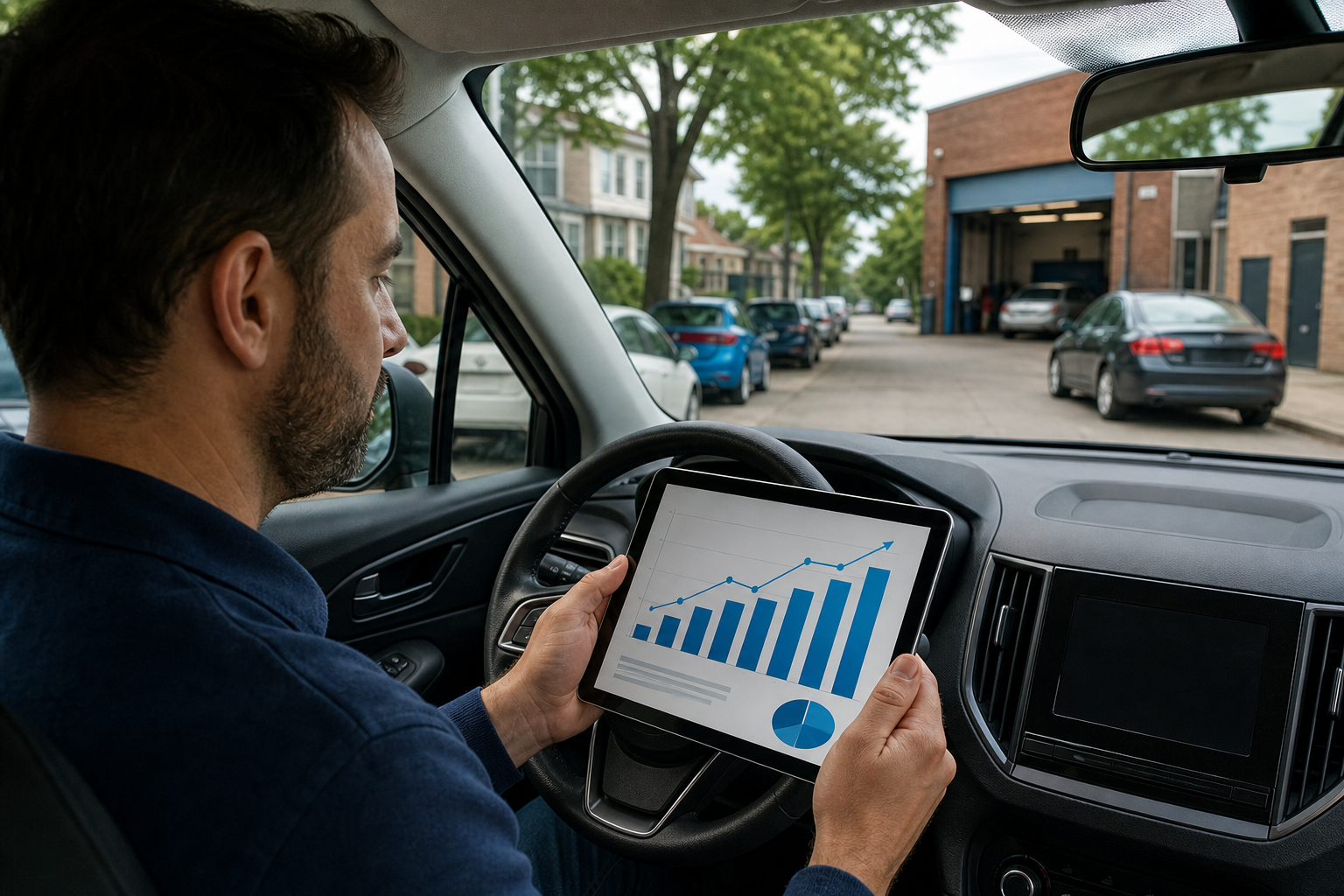
Insurance has always used risk information to set premiums. Insurance coverage is generally designed to cover specified losses tied to vehicle ownership or use, but the exact protection depends on the policy contract. A market-wide increase does not mean every coverage part changed, so inspect the declarations page.
5. What to Check Before You Accept the Higher Premium
Before accepting a higher renewal price, compare the new documents with the prior policy line by line. A quote can change after the insurer verifies driving records, vehicle details, mileage, address, or coverage selections.
Check the policy details
Start with the coverage summary. Confirm that the new offer has the liability limits you requested. Then check collision and complete coverage, deductibles, listed vehicles, and listed drivers.
Do not compare premiums alone. A lower price may come with lower limits or a higher deductible. Put both policies into a side-by-side note so you can see what changed.
Check discounts and records
Ask why any discount disappeared. Safe-driver, multi-vehicle, safety-feature, and other discounts may depend on eligibility rules that change at renewal. Confirm that your vehicle information, annual mileage, and driver history are correct.
If the insurer used an incorrect ticket, accident, or license record, ask how to dispute it. Keep copies of documents that support your correction. Do not change an address, mileage figure, driver list, or vehicle-use detail just to seek a lower quote. Inaccurate information can create coverage problems later.
Compare like-for-like quotes
Request several quotes using the same limits and deductibles. Comparing different coverage packages can make one offer look cheaper when it provides less protection. Compare available auto insurance options when you want help comparing the same policy setup across quotes.
Ask each agency to explain the main rating difference. You may learn that one quote includes a different deductible, a missing driver, or a different vehicle-use classification. That answer is more useful than simply asking for the cheapest rate.
Also check the effective date before changing policies. Do not cancel an existing policy until the replacement coverage has been issued and its start date is confirmed. A gap in insurance can create new underwriting problems and may affect future quotes.
A credit-related insurance review is not the same as a standard lending score. This type of review is commonly described as a risk-prediction method based on credit-related information, where permitted by state law. Ask the insurer what review or correction process applies if you think the information is wrong.
Frequently Asked Questions About Higher Car Insurance Rates
Why did my car insurance go up with no accident?
Your car insurance may go up without an accident because of a ticket, address change, added driver, vehicle change, coverage update, or market-wide rate revision. Check the renewal declarations page first. Compare the old and new limits, deductibles, mileage, vehicle details, discounts, and household drivers.
How much does insurance go up after an accident?
There is no single increase after an accident. Reported increases can vary widely. Your result may differ based on fault, claim details, state rules, insurer underwriting, prior history, and available discounts.
Can a ticket raise my car insurance?
Yes, a ticket can raise your car insurance if the insurer finds it on your motor vehicle record and applies it during underwriting or renewal. The effect depends on the violation, timing, driving history, and company rules. Review the record for errors before accepting the new premium.
Does changing my address affect car insurance?
Yes, changing your address can affect car insurance because the vehicle’s usual location is a rating factor. Insurers may consider local claim patterns, theft risk, weather losses, and repair costs. Use the address where the vehicle is actually kept, then compare the updated quote with your prior coverage.
Can an SR-22 make car insurance more expensive?
An SR-22 requirement can be linked to higher car insurance costs because it often follows a serious driving or insurance issue. An SR-22 is generally a financial-responsibility filing connected to an insurance policy, not a separate policy. The filing requirement and premium effect depend on your record and insurer.
Should I switch insurance after a rate increase?
You may want to compare other quotes after a rate increase, but compare equal coverage before switching. Check limits, deductibles, exclusions, drivers, vehicle use, and the effective date. Illinois Drivers Insurance can help you review available Illinois options, but the final choice should reflect the protection and terms you want.
Conclusion
A higher premium usually has a traceable cause, even if that cause is a market rate update rather than a personal mistake. Compare your old and new policy documents, correct any record errors, and request like-for-like quotes. If you need help reviewing Illinois options, Illinois Drivers Insurance can help you compare available coverage before you decide.
